


- All
- Product Name
- Product Keyword
- Product Model
- Product Summary
- Product Description
- Multi Field Search
Views: 0 Author: Site Editor Publish Time: 2026-04-08 Origin: Site
Introduction
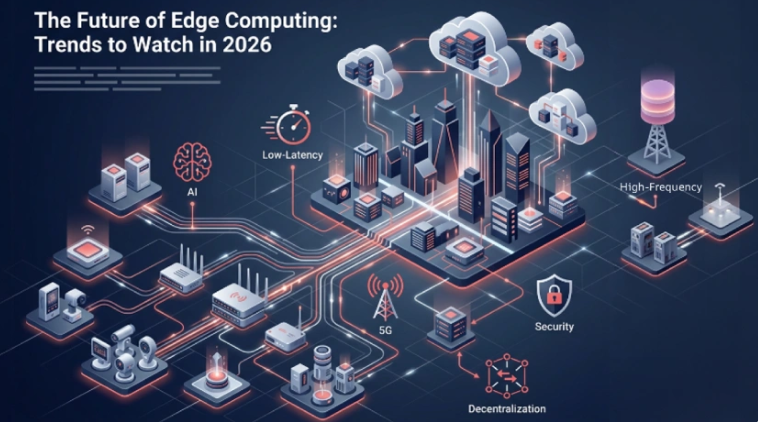
As we navigate through 2026, edge computing has moved from a promising concept to a foundational technology reshaping how data is processed and delivered. With the explosive growth of connected devices, real-time AI applications, and ultra-low-latency demands, organizations are shifting computation closer to the data source. This evolution carries profound implications for network infrastructure, forcing telecom operators, enterprises, and data center providers to rethink centralized cloud models in favor of distributed architectures. In this blog, we explore the rise of edge computing and its transformative impact on global network infrastructure.
What Is Edge Computing?
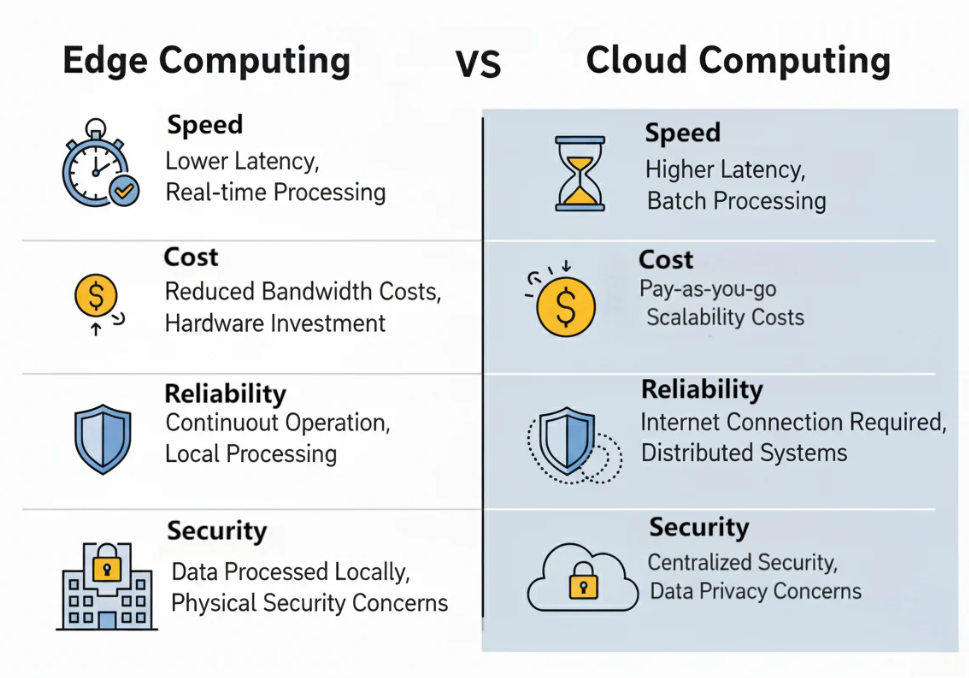
Edge computing refers to the practice of processing data near its source—on local devices, gateways, or nearby micro data centers—rather than relying solely on distant cloud servers. Unlike traditional cloud computing, which centralizes storage and processing in large facilities, edge computing decentralizes these functions to reduce latency, minimize bandwidth usage, and enhance reliability.
In 2026, edge computing is no longer limited to simple data filtering; it now incorporates advanced Edge AI capabilities, enabling real-time decision-making at the network periphery. This shift is driven by the need for instant responses in applications ranging from autonomous vehicles to smart manufacturing.
Key Drivers Behind the Surge in Edge Computing Adoption
Several converging trends have accelerated edge computing’s rise in 2026:
- Explosive Growth of IoT and Connected Devices: Billions of sensors and devices generate massive data volumes that cannot efficiently travel to centralized clouds.
- 5G and Emerging 6G Networks: These ultra-fast networks provide the high bandwidth and low latency required to support edge deployments at scale.
- Demand for Real-Time AI and Analytics: Industries like healthcare, logistics, and retail require immediate insights, making centralized processing impractical.
- Data Sovereignty and Privacy Regulations: Stricter global rules push organizations to keep sensitive data closer to its origin.
Market projections underscore this momentum, with the global edge computing sector expected to expand rapidly throughout 2026 and beyond, fueled by these drivers.
How Edge Computing Is Reshaping Network Infrastructure
The transition to edge computing fundamentally alters traditional network designs, moving away from monolithic, centralized systems toward hybrid, distributed models.
Decentralization and the Proliferation of Edge Data Centers
Network infrastructure in 2026 features a surge in modular edge data centers located near telecom base stations, industrial sites, and urban hubs. These facilities reduce reliance on hyperscale cloud providers and enable localized processing. Telecom operators are among the largest investors, colocating edge resources with 5G infrastructure to support applications like augmented reality and autonomous logistics.
Latency Reduction and Bandwidth Optimization
By processing data at the edge, networks achieve dramatic latency improvements—from 60–100 milliseconds in traditional setups to under 10 milliseconds. This not only enhances user experiences but also slashes bandwidth costs by filtering and analyzing data locally before transmission to the core network. The result is less network congestion and more efficient use of existing infrastructure.
Enhanced Security, Resilience, and Sustainability
Edge architectures introduce new security considerations, such as protecting distributed nodes from attacks, but they also offer benefits like improved data sovereignty and resilience during outages. Devices can operate independently when central connections fail. Additionally, energy-efficient edge solutions and AI-optimized cooling are helping networks meet sustainability goals amid rising power demands.
Specific Implications for Network Infrastructure in 2026
In 2026, the implications are both immediate and strategic:
- Telecom Networks Evolve Toward Hybrid Models: 5G standalone networks integrate seamlessly with edge computing, paving the way for 6G-native edge capabilities that embed intelligence directly into the connectivity layer.
- Enterprise Adoption Accelerates: Industries deploy private edge networks for mission-critical operations, driving demand for Edge-as-a-Service (EaaS) models that simplify infrastructure management.
- Infrastructure Investment Shifts: Spending on edge hardware, software, and services is surging, with a focus on modular, scalable designs that support AI workloads at the edge.
These changes position network operators as key enablers of digital transformation rather than mere connectivity providers.
Challenges and Considerations for Adoption
Despite its promise, edge computing presents hurdles for network infrastructure in 2026:
- Management Complexity: Orchestrating thousands of distributed nodes requires advanced automation and AI-driven operations.
- Security Risks at Scale: Expanded attack surfaces demand zero-trust frameworks and robust encryption.
- High Upfront Costs: Deploying edge infrastructure, especially in remote areas, remains capital-intensive.
- Interoperability and Skills Gaps: Ensuring seamless integration across hybrid environments and upskilling teams are ongoing challenges.
Organizations that address these proactively will gain a competitive edge.
The Future Outlook: Opportunities Beyond 2026
Looking ahead, edge computing will continue converging with AI, 6G, and quantum technologies to unlock even greater efficiencies. Network infrastructure will become more intelligent, self-optimizing, and sustainable. For businesses and operators alike, embracing edge strategies today means building resilient foundations for tomorrow’s hyper-connected world.
Conclusion
The rise of edge computing in 2026 marks a pivotal shift in network infrastructure—from centralized clouds to intelligent, distributed ecosystems. By reducing latency, optimizing bandwidth, and enabling real-time innovation, edge computing is not just enhancing performance; it is redefining what networks can achieve. As adoption accelerates, organizations that invest wisely in edge-ready infrastructure will lead the next wave of digital transformation.

