


- All
- Product Name
- Product Keyword
- Product Model
- Product Summary
- Product Description
- Multi Field Search
Views: 0 Author: Site Editor Publish Time: 2026-01-13 Origin: Site

In the rapidly evolving landscape of global telecommunications and data infrastructure, structured cabling products stand as the unsung heroes enabling seamless connectivity. As we step into 2026, the demand for these essential components—ranging from copper and fiber optic cables to patch panels, racks, and connectors—continues to surge. Structured cabling forms the backbone of modern networks, supporting everything from enterprise IT systems to massive data centers and smart city initiatives. This panoramic analysis delves into the international demand for these products, drawing on market forecasts, regional dynamics, technological trends, and economic drivers.
The year 2026 marks a pivotal point in the post-pandemic recovery, where digital transformation has accelerated across industries. With the proliferation of 5G networks, Internet of Things (IoT) devices, and cloud computing, the need for robust, high-speed cabling infrastructure has never been greater. According to recent projections, the global structured cabling market is expected to reach approximately USD 21.5 billion in 2026, up from USD 20 billion in 2025, reflecting a compound annual growth rate (CAGR) of around 8.4%. Other estimates suggest values between USD 17.49 billion and USD 18.01 billion for the same year, underscoring a consistent upward trajectory driven by technological advancements and infrastructure investments. This blog explores the multifaceted factors fueling this demand, offering insights for industry stakeholders, investors, and policymakers alike.
Structured cabling encompasses a standardized system of cables and hardware that facilitates the transmission of data, voice, and video signals within buildings and across campuses. Unlike point-to-point cabling, it provides a flexible, scalable framework that can adapt to evolving network requirements. In 2026, the market is characterized by a shift toward higher-performance solutions, with fiber optics gaining prominence over traditional copper due to its superior bandwidth and lower latency.
Historically, the market has grown steadily, valued at around USD 12-15 billion in 2024, with projections indicating a CAGR of 8-11% through the decade. By 2026, demand is propelled by the exponential increase in data traffic, estimated to grow by 25-30% annually globally. Key segments include products like cables (copper and fiber), communication outlets, patch cords, and services such as installation and maintenance. The IT and telecommunications sector dominates, accounting for over 40% of the market share, followed by commercial buildings and data centers.
A notable trend is the integration of Power over Ethernet (PoE) capabilities, allowing devices like IP cameras and wireless access points to receive power and data through a single cable. This not only reduces installation costs but also enhances energy efficiency. Moreover, the rise of hyperscale data centers—operated by tech giants like Amazon, Google, and Alibaba—has amplified demand, as these facilities require extensive cabling to handle petabytes of data. In terms of geography, North America holds the largest share at about 35-40%, but Asia-Pacific is emerging as the fastest-growing region with a CAGR exceeding 10%. This overview sets the stage for a deeper examination of the drivers behind this international surge.
Several interconnected factors are driving the global demand for structured cabling products in 2026. Foremost is the unrelenting growth of data centers. With cloud adoption reaching 90% among enterprises worldwide, the need for scalable infrastructure has skyrocketed. Hyperscale data centers alone are expected to add over 1,000 MW of capacity globally this year, each requiring miles of high-density cabling. This is compounded by the rollout of 5G networks, which demand low-latency connections and denser fiber deployments to support edge computing.
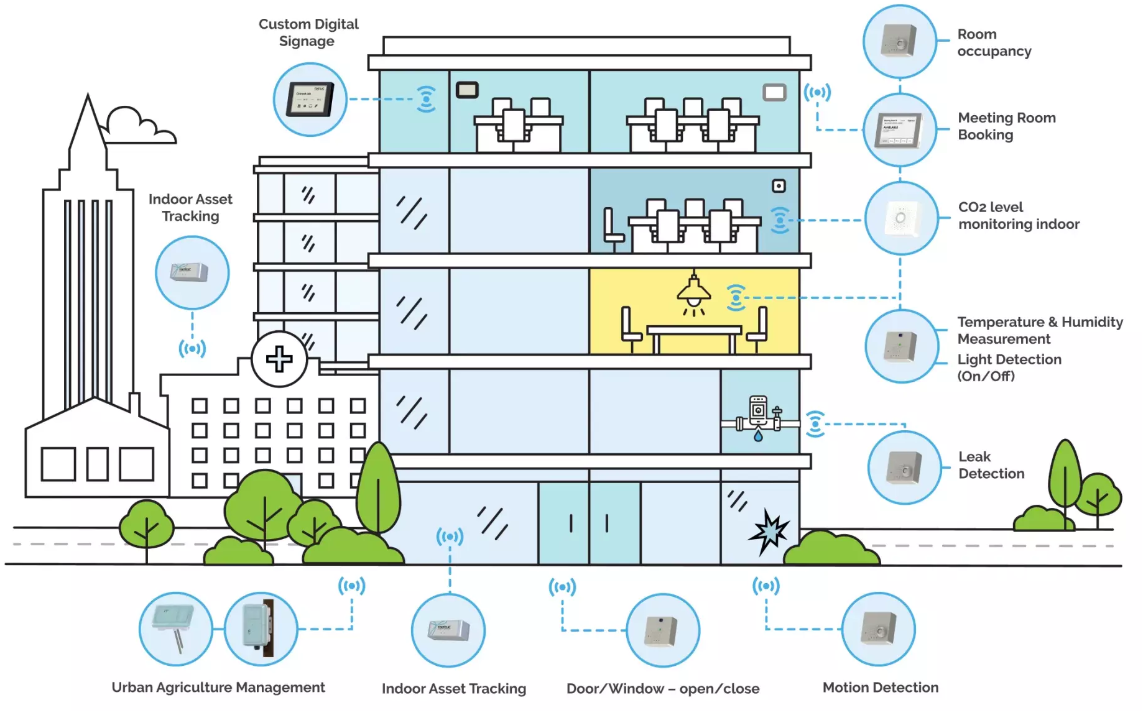
IoT proliferation is another key driver. By 2026, over 75 billion IoT devices are projected to be connected, from smart homes to industrial sensors. These devices rely on structured cabling for reliable data transmission, particularly in smart buildings where integrated systems manage lighting, HVAC, and security. The adoption of smart city projects in regions like Europe and Asia further amplifies this, with governments investing billions in infrastructure upgrades.
Digital transformation across industries also plays a crucial role. In healthcare, telehealth services require robust networks; in manufacturing, Industry 4.0 initiatives depend on real-time data analytics. The shift to remote work has persisted, boosting demand for home and office cabling solutions. Economic recovery post-2020 has led to increased investments in broadband expansion, especially in underserved areas, with fiber-to-the-home (FTTH) projects driving fiber optic sales.
Sustainability concerns are influencing demand as well. Eco-friendly cabling materials, such as low-smoke zero-halogen (LSZH) cables, are gaining traction to meet green building standards. Additionally, the push for energy-efficient networks aligns with global carbon reduction goals, encouraging upgrades to PoE-enabled systems that minimize power consumption. Volatility in raw material prices, like copper, poses challenges but also spurs innovation in cost-effective alternatives like multimode fiber.
Finally, regulatory frameworks are catalyzing growth. Standards from organizations like TIA and ISO ensure interoperability, while government incentives for digital infrastructure—such as the EU's Digital Decade plan and the US Infrastructure Investment and Jobs Act—provide funding boosts. These drivers collectively forecast a robust demand landscape, with the market poised for double-digit growth in emerging economies.
North America remains the epicenter of structured cabling demand in 2026, commanding over 35% of the global market share. The United States leads, driven by massive investments in data centers and 5G infrastructure. Tech hubs like Silicon Valley and Northern Virginia host thousands of facilities, each demanding advanced cabling for AI and cloud workloads. Canada's focus on broadband expansion in rural areas adds to the momentum, with projects like the National Broadband Strategy allocating billions for fiber deployments.
Demand here is characterized by a preference for Category 6A and higher copper cables, alongside single-mode fiber for long-haul connections. The region's mature market sees steady upgrades, with a CAGR of around 7-8%. Challenges include supply chain disruptions, but opportunities abound in smart grid and renewable energy sectors, where cabling supports IoT-enabled monitoring.
Europe's demand is fueled by stringent regulations and sustainability initiatives, with the market valued at approximately USD 5-6 billion in 2026. The EU's Green Deal promotes energy-efficient infrastructure, boosting adoption of PoE and fiber optics in commercial buildings. Countries like Germany and the UK lead in smart city developments, with London and Berlin investing in 5G-enabled urban networks.
The region emphasizes modular cabling for flexibility, with a growing shift to fiber due to high data demands from e-commerce and streaming services. CAGR hovers at 8-9%, supported by post-Brexit infrastructure spending in the UK and France's digital sovereignty push. However, economic uncertainties from geopolitical tensions could temper growth, though EU funding for digital resilience offers a buffer.
Asia-Pacific is the growth powerhouse, expected to contribute over 30% to global demand by year-end, with a CAGR exceeding 10%. China dominates, with its Made in China 2025 initiative driving massive data center expansions and 5G rollouts. India's Digital India program accelerates FTTH deployments, targeting 500 million broadband subscribers.
Japan, where this analysis is penned from Tokyo, sees robust demand amid preparations for the 2030 Expo and smart city integrations. South Korea's leadership in 5G penetration fuels high-speed cabling needs. The region's urbanization—over 60% of the population in cities by 2026—spurs smart building projects, with fiber optics comprising 50% of new installations. Challenges like raw material imports are offset by local manufacturing hubs in Vietnam and Malaysia.
Latin America
In Latin America, demand is emerging, projected at USD 1-2 billion, with Brazil and Mexico leading. Economic recovery has spurred investments in telecom infrastructure, particularly 5G pilots and data centers in Sao Paulo. The region's focus on closing the digital divide drives rural cabling projects.
CAGR is around 9%, with copper still prevalent due to cost sensitivities, but fiber adoption grows with cloud migrations. Political stability in key markets enhances investor confidence.
The Middle East and Africa represent niche but high-potential markets, valued at under USD 2 billion. Saudi Arabia's Vision 2030 and UAE's smart Dubai initiatives drive demand for premium cabling in oil & gas and tourism sectors. Africa's growth stems from mobile broadband expansions in Nigeria and South Africa.
CAGR reaches 11% in select areas, emphasizing durable cabling for harsh environments. Infrastructure gaps pose challenges, but international aid and private investments are bridging them.
In 2026, technological advancements are reshaping structured cabling. Fiber optics dominate, with single-mode variants supporting 100G+ speeds for data centers. Innovations like bend-insensitive fibers reduce installation errors, while pre-terminated assemblies speed deployments.
Higher Ethernet standards—25G, 40G, and beyond—are standard, enabling AI and VR applications. Intelligent infrastructure management (IIM) systems use AI for real-time monitoring, predicting failures and optimizing performance. Sustainability trends include recyclable materials and low-power designs.
Edge computing drives demand for compact, high-density cabling in remote locations. Integration with wireless technologies creates hybrid networks, blending cabling with Wi-Fi 6E for comprehensive coverage.
Despite growth, challenges persist: raw material price volatility, skilled labor shortages, and cybersecurity risks in connected systems. Opportunities lie in emerging markets and retrofitting older infrastructure. Partnerships between cabling firms and tech providers can unlock new revenue streams.
Looking ahead, 2026 demand will likely exceed USD 20 billion, with fiber surpassing copper in new projects. APAC's dominance will intensify, while global supply chains stabilize post-disruptions.
The international demand for structured cabling in 2026 reflects a world increasingly reliant on connected infrastructure. As digital ecosystems expand, stakeholders must prioritize innovation and sustainability to capitalize on this burgeoning market.

