


- All
- Product Name
- Product Keyword
- Product Model
- Product Summary
- Product Description
- Multi Field Search
Views: 0 Author: Site Editor Publish Time: 2026-02-09 Origin: Site
Introduction
Entering 2026, the global structured cabling market is experiencing unprecedented growth, and the Asia-Pacific region (APAC) is the main driving force behind this growth. According to the latest industry report, the global structured cabling market size was approximately 13.45 billion to 15 billion US dollars in 2026 and is expected to exceed 21 billion to 34 billion US dollars by 2031-2034. The compound annual growth rate (CAGR) is 9%-10.7% (Mordor Intelligence, Polaris Market Research). The Asia-Pacific region accounted for more than 40% of this growth. The market size reached 5.29 billion US dollars in 2026, with an expected CAGR of 9.85%-10.4% (Grand View Research, Mordor Intelligence).
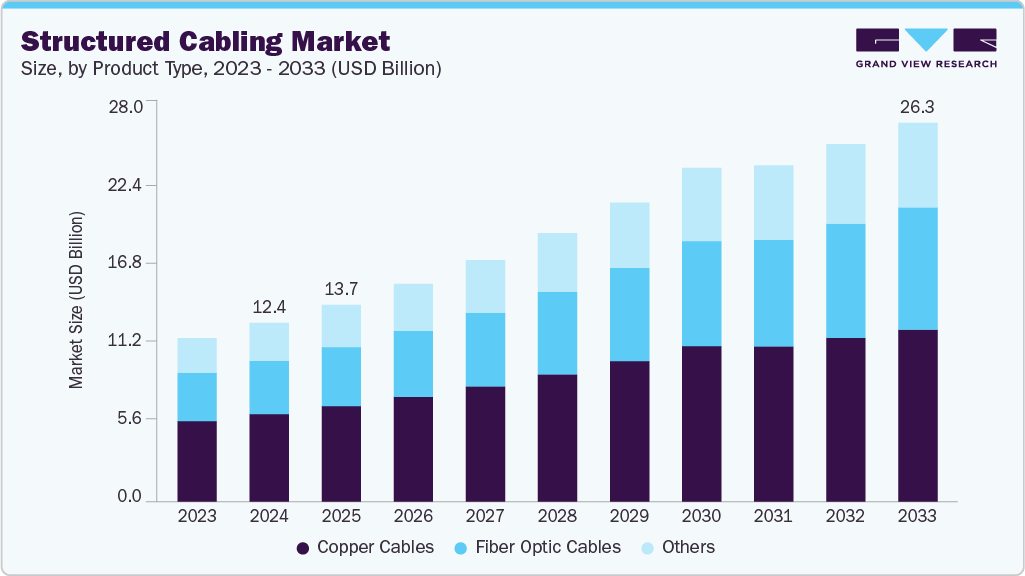
(Global Structured Cabling Market Growth Chart, segmented by product type to 2033)
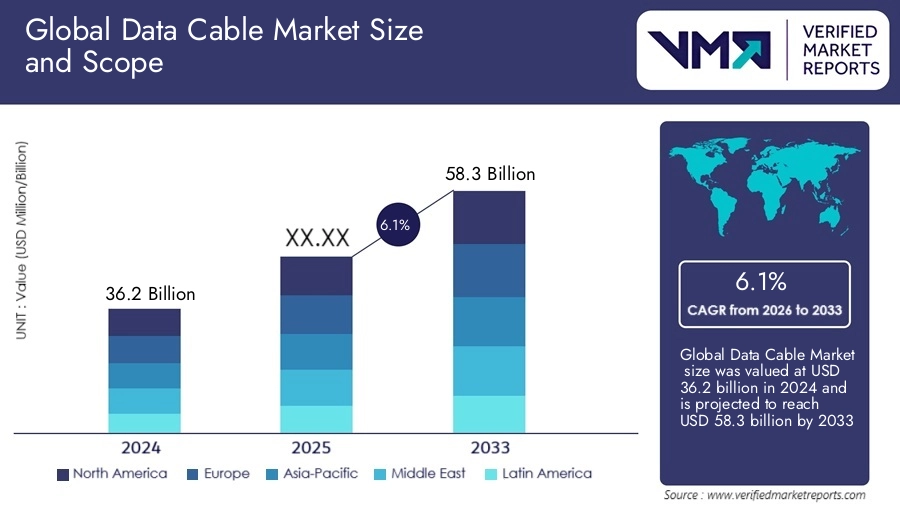
(Regional data cable market forecast, highlighting the rapid expansion in the Asia-Pacific region)
This growth wave is driven by hyperscale data centers, 5G deployment, smart city plans, sustainability requirements, and government policy support. For manufacturers and installers like ZORA, the Asia-Pacific region is not merely a market but also a strategic opportunity. We can offer high-quality copper and optical fiber solutions to meet the region's unique demands for reliability, scalability and speed.
The structured cabling market in the Asia-Pacific region is the fastest-growing market globally, thanks to rapid urbanization, cloud computing adoption, and AI-driven workloads. The main sub-sectors include Cat6A/Cat8 copper cables for horizontal cabling, as well as OM4/OM5/ single-mode optical fibers for backbone. For the data center cabling part alone, the Global projected CAGR is 8.9%, with the Asia-Pacific region leading in hyperscale deployment (Global Market Insights).
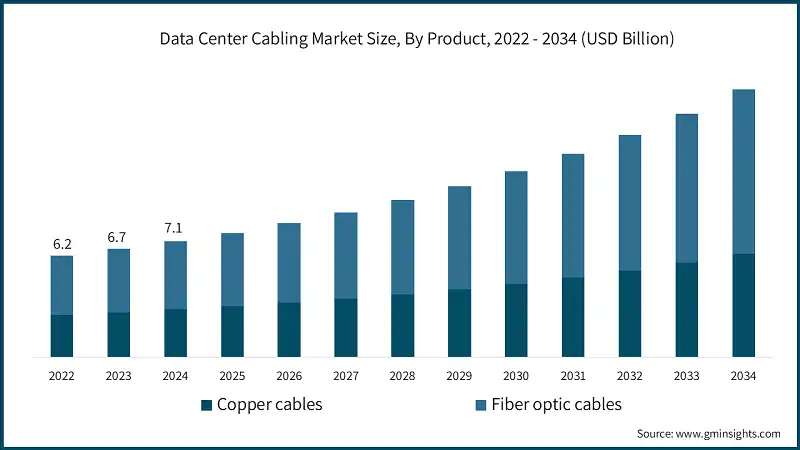
(Data center cabling market size, by product segmentation, 2022-2034)
By 2030, the capacity of data centers in the Asia-Pacific region is expected to grow from 32GW to 57GW (JLL 2026 Global Data Center Outlook), which requires large-scale investment in structured cabling infrastructure.
Hyperscale operators (such as AWS, Microsoft, Google, Alibaba, etc.) will spend over 400 billion US dollars globally in 2026, with a significant portion of it directed towards the Asia-Pacific region (CBRE). Countries such as Singapore, India, China and Indonesia are building hundreds of new data centers. For instance, the data center market in India is developing rapidly in places like Mumbai and Chennai, while in China, ultra-large-scale clusters in Shanghai and Beijing require ultra-high-density cabling.
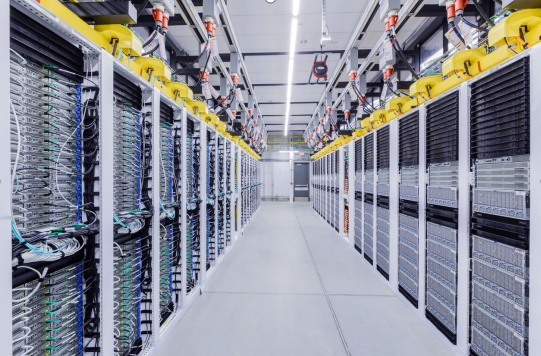
Robot-assisted wiring installation in the corridors of super-large-scale facilities
These facilities require 400G/800G-ready fiber backbones and Cat8 short-reach copper links to support AI training workloads.
5G networks require dense fiber backhaul and fronthaul, especially in edge computing nodes, to reduce latency in applications such as autonomous driving and AR/VR. The Asia-Pacific region leads the world in 5G adoption, with China and South Korea having deployed millions of base stations.
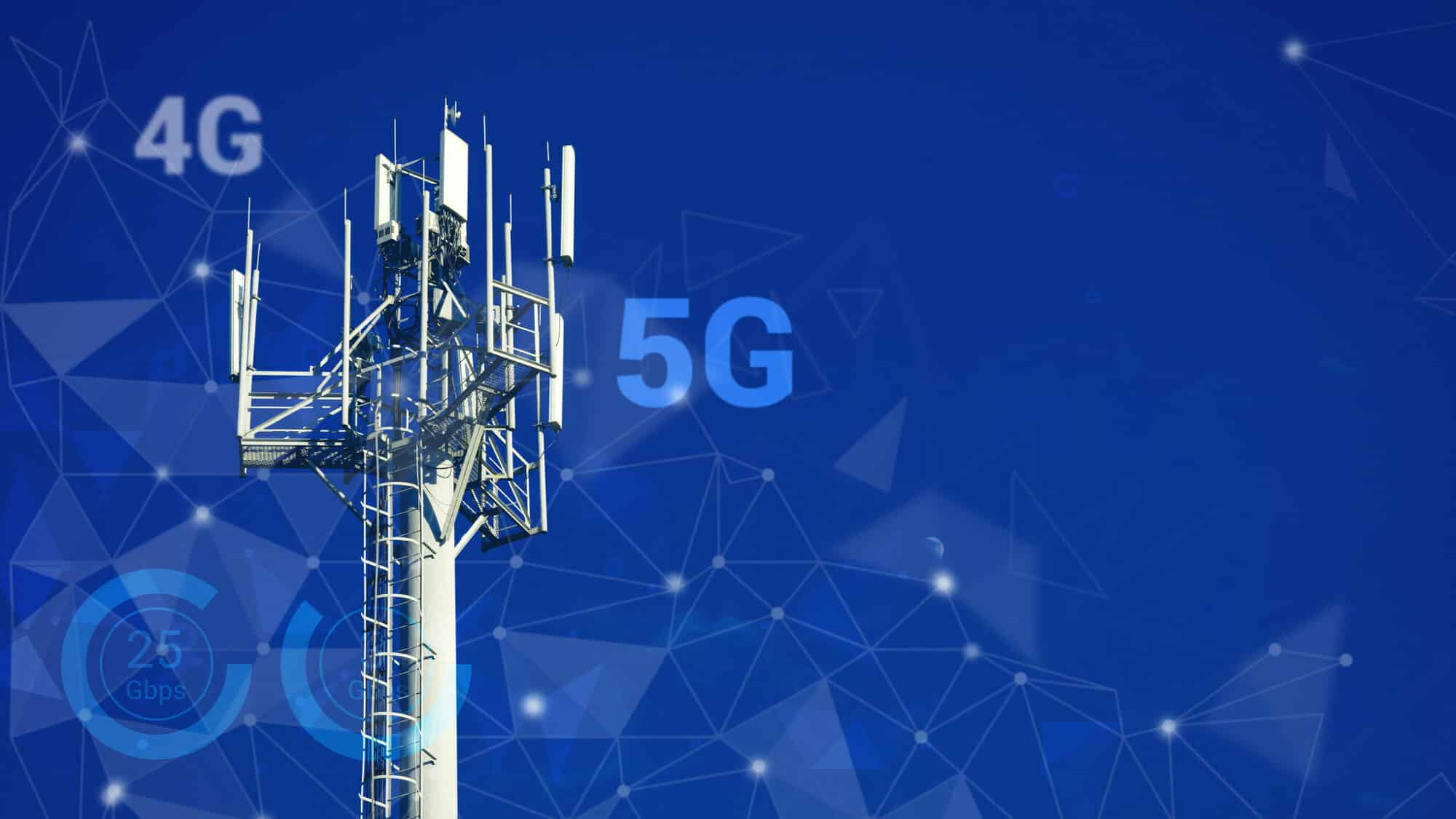
(5G cellular tower, equipped with fiber-to-antenna infrastructure)
Edge data centers in urban areas have further amplified the demand for localized structured cabling.
Projects such as India's "Smart City Mission" (over 100 cities), Singapore's "Smart Nation" initiative, and China's "Sponge City" have deeply integrated Internet of Things sensors, smart lighting, traffic management and monitoring systems, all of which require solid cabling networks.
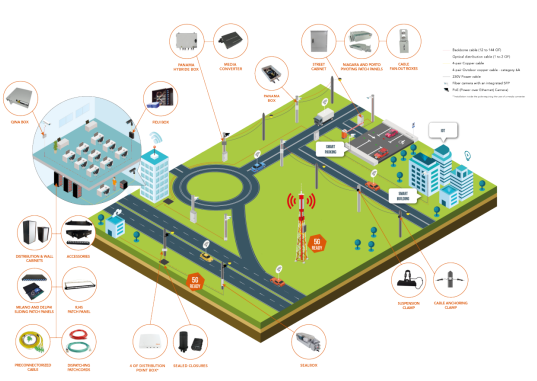
(Comprehensive smart city cabling architecture diagram, including optical fiber, copper cable and PoE elements)
These projects prioritize zoned cabling and PoE to achieve flexibility.
Net-zero targets and regulations drive the adoption of low smoke zero halogen (LSZH) cables and energy-efficient designs. Many data centers in the Asia-Pacific region now require the use of recyclable materials and a reduction in wiring power consumption.
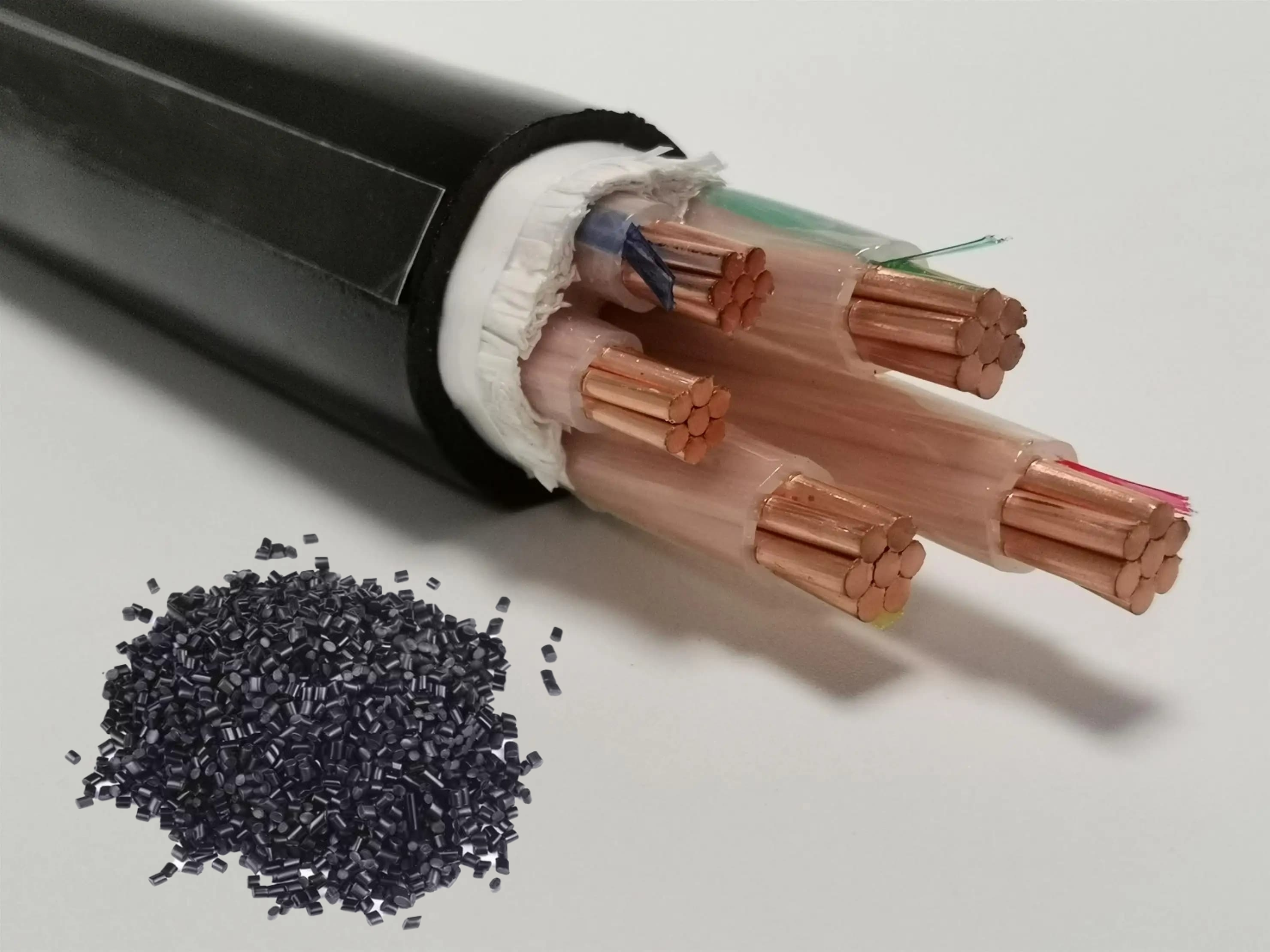
(Cross-section of LSZH flame-retardant cable material for green buildings)
China's "East Data West Computing" project, India's "Digital India" initiative, and the ASEAN Connectivity Framework, among other policies, offer subsidies and incentives to accelerate the deployment of cabling.
Despite strong growth, it still faces challenges such as supply chain disruptions, power constraints (the main bottleneck for hyperscale operators), and a shortage of skilled workers. The opportunity lies in the fact that modular/pre-terminated solutions can accelerate deployment, and local manufacturing can reduce reliance on imports.
The major players include CommScope, Nexans, Panduit and Corning, but regional manufacturers like ZORA are seizing market share in projects suitable for the humid and high-density environments in the Asia-Pacific region with their cost-effective and fully certified products.
ZORA's shielded Cat6A, OM4/OM5 optical fibers and LSZH solutions are highly suitable for high-demand projects in the Asia-Pacific region. The products tested in our factory ensure low insertion loss and comply with regional standards, helping customers achieve a return on investment more quickly.
The Asia-Pacific region is undoubtedly the center of structured cabling growth in 2026 and beyond. By cooperating with a reliable supplier like ZORA, enterprises that invest now will be in the best position to seize this transformation opportunity. Visit www.zoracz.com to view our full range of solutions and contact us for a project quote.

