


- All
- Product Name
- Product Keyword
- Product Model
- Product Summary
- Product Description
- Multi Field Search
Views: 0 Author: Site Editor Publish Time: 2025-10-07 Origin: Site
In today’s fast-paced digital world, fiber optic cables serve as the backbone of global communication. Whether it’s supporting 5G networks, data centers, or enterprise-level structured cabling systems, maintaining reliable connections is critical. One of the most effective ways to ensure this reliability is through fiber splicing technology.
As a professional structured cabling solutions provider, ZORA (www.zoracz.com) specializes in delivering high-quality fiber optic and copper cabling products to meet diverse market demands. This article explains the essentials of fiber splicing and why it matters for building stable and long-lasting cable connections.
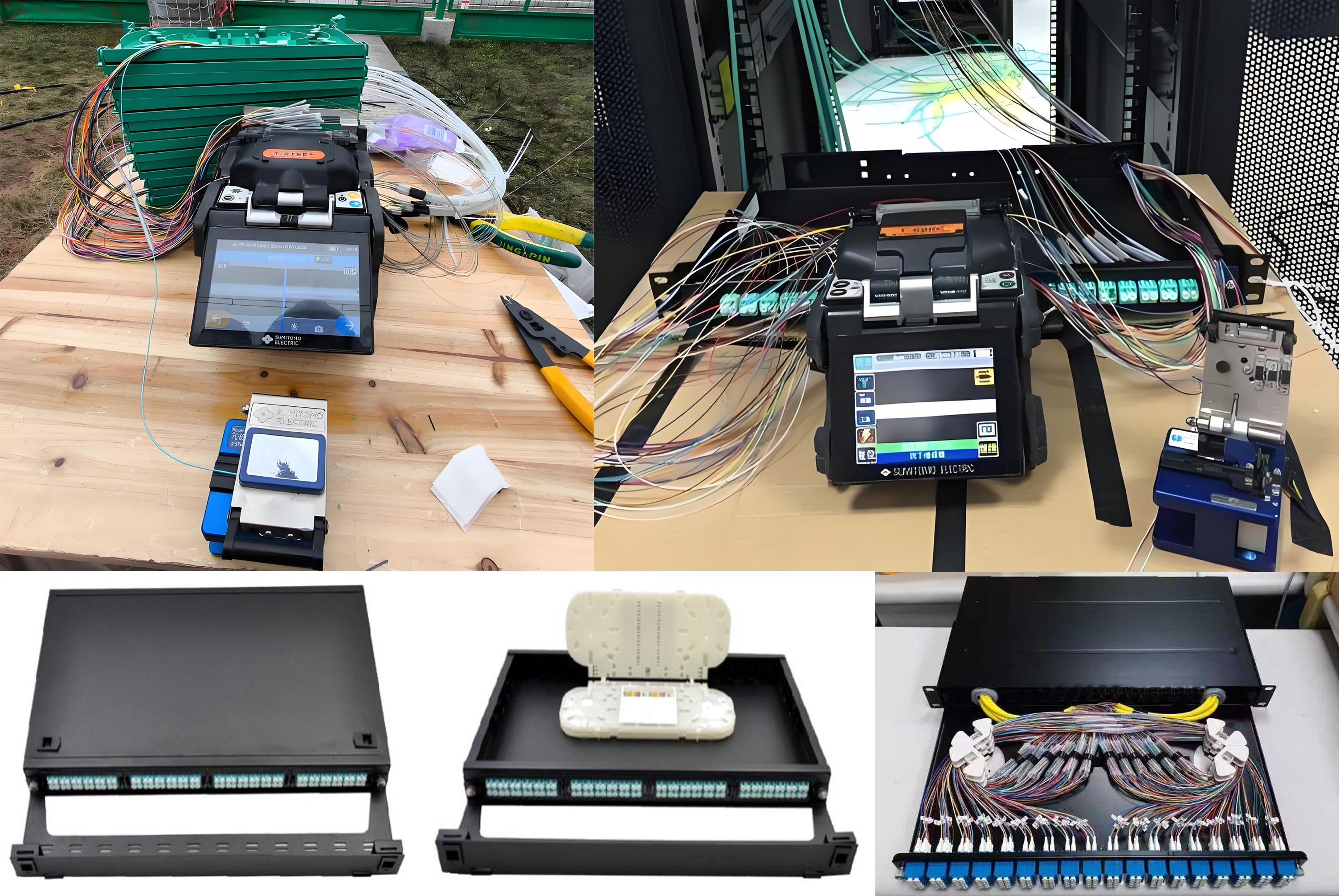
Fiber splicing is the process of joining two optical fibers together to create a continuous light transmission path. This technique is commonly used when extending the length of fiber cables, repairing damaged sections, or creating network connections in large-scale installations.
1.Fusion Splicing
lInvolves aligning and fusing two fiber ends using an electric arc.
lProvides the lowest insertion loss and the most durable connection.
lPreferred in critical applications such as telecom, data centers, and smart city infrastructure.
2.Mechanical Splicing
lUses alignment fixtures and index-matching gel to connect fibers.
lFaster and easier to perform than fusion splicing.
lSuitable for temporary or emergency repairs.
Proper splicing minimizes signal attenuation, ensuring fast and reliable data transmission across long distances.
Stable splicing reduces the risk of connection failures, making it ideal for mission-critical environments like hospitals, financial institutions, and industrial automation systems.
As demand for 5G, cloud computing, and IoT grows, high-performance cabling solutions with minimal interruptions become essential. Fiber splicing plays a key role in supporting these advancements.
Accurate alignment of fiber cores is crucial to avoid reflection and signal loss.
Even microscopic dust particles can affect performance. Proper cleaning before splicing is a must.
After splicing, fibers must be protected with heat-shrink sleeves or enclosures to withstand environmental stress.
At ZORA, we provide structured cabling products that meet international standards, ensuring that every installation achieves long-term stability and efficiency. Our product range includes:
lFiber optic cables for high-speed transmission
lCopper cabling systems (Cat.5e, Cat.6, Cat.8, etc.)
lAccessories designed for secure and efficient splicing
By integrating advanced technologies with top-quality materials, ZORA supports global customers in achieving reliable communication networks.
Fiber splicing is more than a technical process—it is the foundation for reliable and future-ready communication systems. With precise splicing techniques and premium cabling solutions from ZORA (www.zoracz.com), businesses and infrastructure projects can ensure stable, efficient, and long-lasting connections.

